Here is a comprehensive, SEO-optimized blog post based on your title. It is structured to rank well on search engines while providing empathetic, high-value information to the reader.
Lipedema Is Not Just a Weight Problem: A Special Nutrition Guide for Painful Fat
Meta Description: Struggling with painful fat in your legs or arms that won’t go away with diet and exercise? It might be Lipedema. Discover the ultimate nutrition guide to manage inflammation and reduce pain.
Keywords: Lipedema, Lipedema diet, painful fat, anti-inflammatory diet for lipedema, RAD diet, lipedema legs, lymphatic health
If you have spent years calorie counting, exercising rigorously, and feeling frustrated because the fat on your hips, legs, or arms simply refuses to budge, you need to hear this: It is not your fault.
For millions of women, the struggle isn’t standard obesity; it is a chronic medical condition called Lipedema. Often misdiagnosed as simple weight gain, Lipedema is a disorder of the adipose (fat) tissue that causes pain, swelling, and easy bruising.
Because Lipedema fat is different from regular body fat, standard “eat less, move more” advice often fails. This guide explores how a specialized nutritional approach can help you lower inflammation, manage pain, and take control of your body.
What is Lipedema? (And Why Calorie Counting Often Fails)
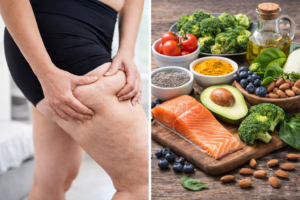
Lipedema is a chronic condition characterized by a symmetric buildup of painful fat tissue, primarily in the legs and hips, and sometimes the arms. Unlike general obesity, Lipedema fat is often fibrotic (hard) and inflammatory.
The most frustrating aspect for patients is that Lipedema fat is resistant to metabolic intervention. You can lose weight in your face and torso, but your lower body may remain unchanged. This is why a nutrition plan for Lipedema shouldn’t focus solely on calories; it must focus on inflammation and the lymphatic system.
The Core Strategy: The RAD Diet (Rare Adipose Disorder)
Many specialists recommend a variation of the RAD Diet or an Anti-Inflammatory Diet. The goal is to reduce the fluid load on your lymphatic system and stop the inflammation that causes pain.
Here are the pillars of eating for Lipedema:
1. Fight Inflammation with Whole Foods
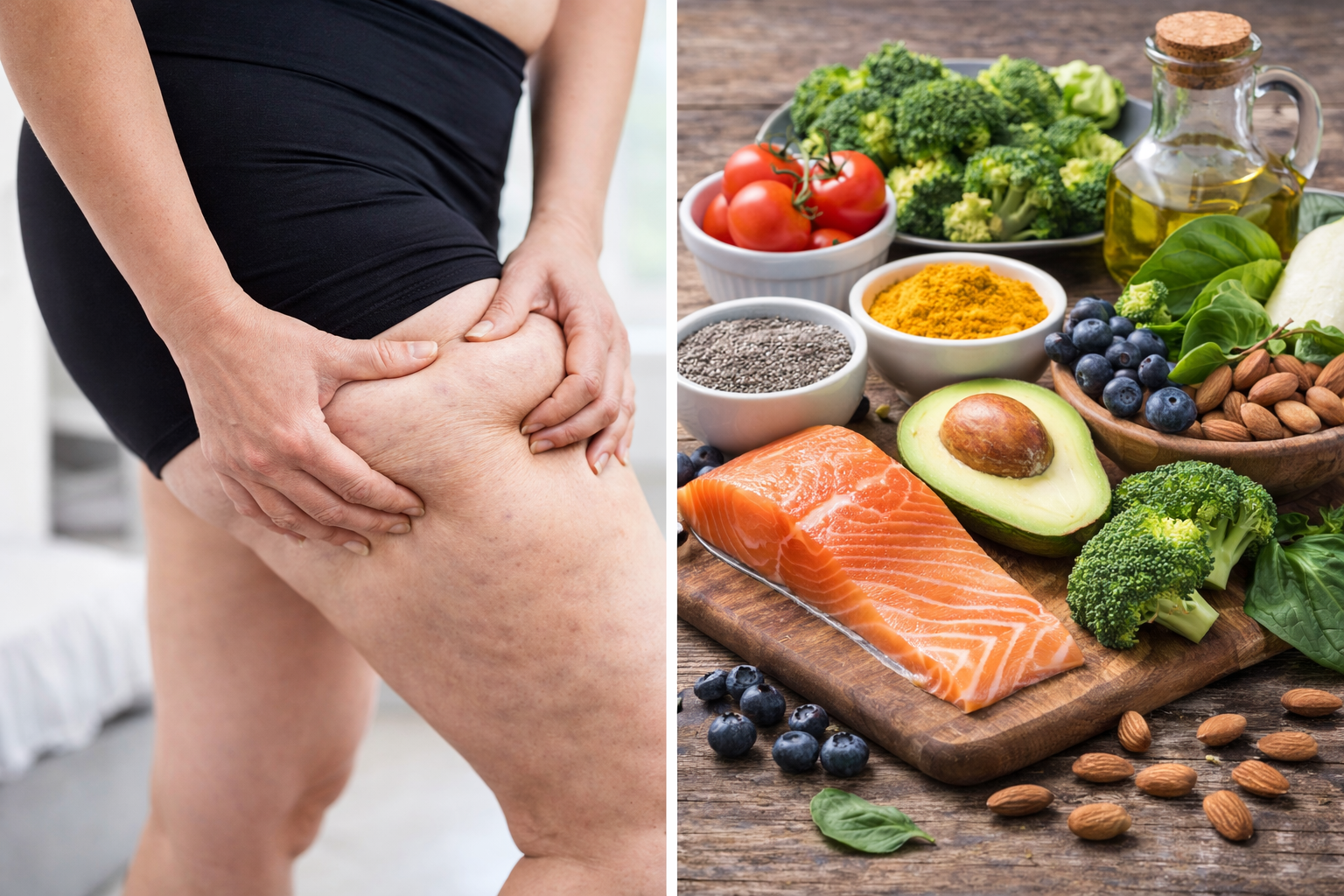
Since Lipedema is an inflammatory condition, your food is your medicine. Focus on colorful, nutrient-dense foods that naturally lower oxidative stress.
Leafy Greens: Spinach, kale, and chard.
Cruciferous Vegetables: Broccoli, cauliflower, and cabbage (great for hormone balance).
Berries: Blueberries and blackberries are packed with antioxidants.
2. Stabilize Insulin Levels
High insulin levels can worsen fat storage. Many women with Lipedema find relief with a Low-Carb or Ketogenic approach. By keeping blood sugar stable, you reduce water retention and inflammation.
Avoid: White bread, pasta, sugary drinks, and pastries.
Choose: Complex carbs like quinoa or buckwheat (in moderation).
3. Prioritize Healthy Fats
Don’t fear fat; just choose the right fat. Healthy fats are essential for brain health and reducing inflammation.
Omega-3 Fatty Acids: Fatty fish (salmon, mackerel), walnuts, and flaxseeds.
Healthy Oils: Extra virgin olive oil, avocado oil, and coconut oil.
Foods to Avoid: The Lipedema “Triggers”
To manage painful fat, you must eliminate foods that trigger an immune response or cause lymphatic congestion.
1. Gluten and Wheat
Many Lipedema sufferers report a significant reduction in swelling and “brain fog” when they go gluten-free. Wheat can damage the gut lining and spike inflammation.
2. Dairy Products
Dairy (A1 casein) can be inflammatory for many people. Try eliminating cow’s milk and cheese for 30 days to see if your pain levels decrease.
3. Processed Meats and Soy
Processed meats (filled with nitrates and sodium) cause water retention. Soy products contain phytoestrogens, which may negatively impact Lipedema, as the condition is believed to be hormonally driven.
4 Lifestyle Tips to Boost Your Nutrition Plan
Diet is powerful, but it works best when combined with these lifestyle habits:
Hydration is Key: Drink plenty of water to help your lymph system flush out toxins.
Compression Therapy: Wearing medical-grade compression helps move fluid out of the tissues.
Low-Impact Movement: heavy lifting or high-impact running can sometimes increase swelling. Walking, swimming (aquatic therapy), and rebounding are excellent for lymphatic flow.
Lymphatic Massage: Manual Lymphatic Drainage (MLD) can help mechanically move fluid.
Conclusion: Focus on Health, Not Just Size
Living with Lipedema is physically and emotionally draining. While nutrition may not “cure” the condition or magically dissolve all Lipedema fat, it is the most powerful tool you have to reduce pain, decrease swelling, and stop the progression.
Listen to your body. If a food makes you feel bloated or achy, cut it out. You are not just losing weight; you are healing your body from the inside out.